
Fuel Your Performance: Timing is Everything
Learn how strategic meal timing can transform your workout results. Our editorial team at Fitnessmealexperts explores the science behind pre-workout nutrition, post-exercise recovery, and daily feeding windows that maximize your athletic potential.
The Pre-Workout Nutrition Timeline
Optimize your performance by understanding when and what to eat. Our research explores the critical timing windows that athletes must master.
3-4 Hours Before
Consume a balanced meal with complex carbohydrates, lean protein, and healthy fats. This allows adequate digestion time and sustained energy release during your session.
60-90 Minutes Before
Consume a light snack combining quick carbs and moderate protein. This prevents hunger while avoiding stomach discomfort during intense training.
During Exercise
For sessions exceeding 60 minutes, consume easily digestible carbohydrates and electrolytes. Maintain hydration with water or sports drinks based on intensity.
30-60 Minutes After
Consume protein and carbohydrates within this recovery window to maximize muscle repair and glycogen replenishment. This critical phase accelerates adaptation.
Why Meal Timing Matters for Athletes
Meal timing directly impacts your training capacity, recovery speed, and long-term athletic progression. Strategic nutrient placement ensures your body has optimal fuel when muscles demand it most.
- Energy Availability: Timed meals ensure carbohydrates are available during peak training intensity, preventing early fatigue and maintaining performance quality.
- Muscle Recovery: Post-workout protein consumption accelerates muscle protein synthesis, reducing soreness and building stronger muscle tissue over time.
- Hormonal Optimization: Proper meal timing supports insulin sensitivity and cortisol regulation, creating an anabolic environment for adaptation and growth.
- Training Consistency: Timed nutrition prevents bonking and energy crashes, allowing you to train hard session after session without central nervous system fatigue.
Optimal Foods by Workout Phase
Different training phases require different nutritional support. Discover evidence-based food selections for every stage of your training cycle.
Pre-Workout Foods
Eat foods that release energy steadily without causing digestive distress. Focus on easily digestible carbohydrates paired with moderate protein.
- Oatmeal with banana and almond butter
- Rice cakes with peanut butter
- Toast with honey and boiled egg
- Sweet potato with Greek yogurt
- White rice with lean chicken breast
During Workout
For extended training sessions, consume simple carbohydrates with electrolytes to maintain blood glucose and prevent dehydration.
- Sports drink with 6-8% carbohydrate solution
- Electrolyte water with sodium
- Fruit juice diluted 1:1 with water
- Energy gels for quick carbohydrate hits
- Banana slices for portable carbohydrates
Post-Workout Recovery
Maximize recovery by consuming high-quality protein with carbohydrates during the anabolic window to accelerate muscle repair and adaptation.
- Chicken breast with white rice
- Salmon with sweet potato
- Protein shake with berries and oats
- Lean ground turkey with pasta
- Greek yogurt bowl with granola and fruit
Performance Impact by the Numbers
Strategic meal timing may support athletic performance and recovery outcomes according to published research in sports nutrition.
Strength Improvement
Athletes consuming optimized pre-workout meals demonstrate increased maximal strength performance compared to fasted training conditions.
Faster Recovery
Post-workout protein consumption within 60 minutes accelerates muscle protein synthesis and reduces soreness duration in recovery periods.
Endurance Extension
Timed carbohydrate intake during training increases exercise capacity and delays fatigue onset compared to zero-calorie fluid consumption.
Lean Mass Gain
Strategic protein timing combined with resistance training yields significantly greater muscle hypertrophy compared to random meal patterns.
Training Consistency
Athletes following systematic meal timing protocols report higher training adherence and reduced workout cancellations due to fatigue.
Power Output
Adequate pre-exercise carbohydrate availability enhances neural drive and peak force production during high-intensity training sessions.
Common Questions About Workout Nutrition
Can I train on an empty stomach?
Fasted training is not optimal for performance. Consuming even a light snack 60-90 minutes before exercise provides sufficient energy for better workout quality. However, some research suggests fasted training may have specific adaptations for endurance athletes, though this requires careful monitoring and should not replace fueled training for strength and power work.
How much protein do I need post-workout?
Consume 20-40 grams of high-quality protein within 60 minutes after training. This amount is sufficient to stimulate muscle protein synthesis in most athletes. Distribute protein evenly across 4-5 meals throughout the day for optimal continuous adaptation and muscle maintenance.
What should I eat before cardio training?
For cardio, consume simple carbohydrates with minimal fiber 30-45 minutes before exercise. Banana with honey, white rice, or white bread toast works well. Keep portions small (200-300 calories) to avoid stomach discomfort during intense aerobic activity while maintaining energy availability.
Is water enough during training?
Water alone is insufficient for sessions exceeding 60 minutes. Add carbohydrates and sodium to maintain blood glucose and fluid retention. Sports drinks with 4-8% carbohydrate concentration provide optimal performance benefit while preventing dehydration and hyponatremia during extended endurance efforts.
Does meal timing matter if I don't compete?
Yes. Regardless of competitive status, strategic meal timing improves training quality, recovery, and long-term adaptation. Even recreational athletes experience better energy, reduced soreness, and faster progress when following systematic nutrition protocols aligned with training sessions.
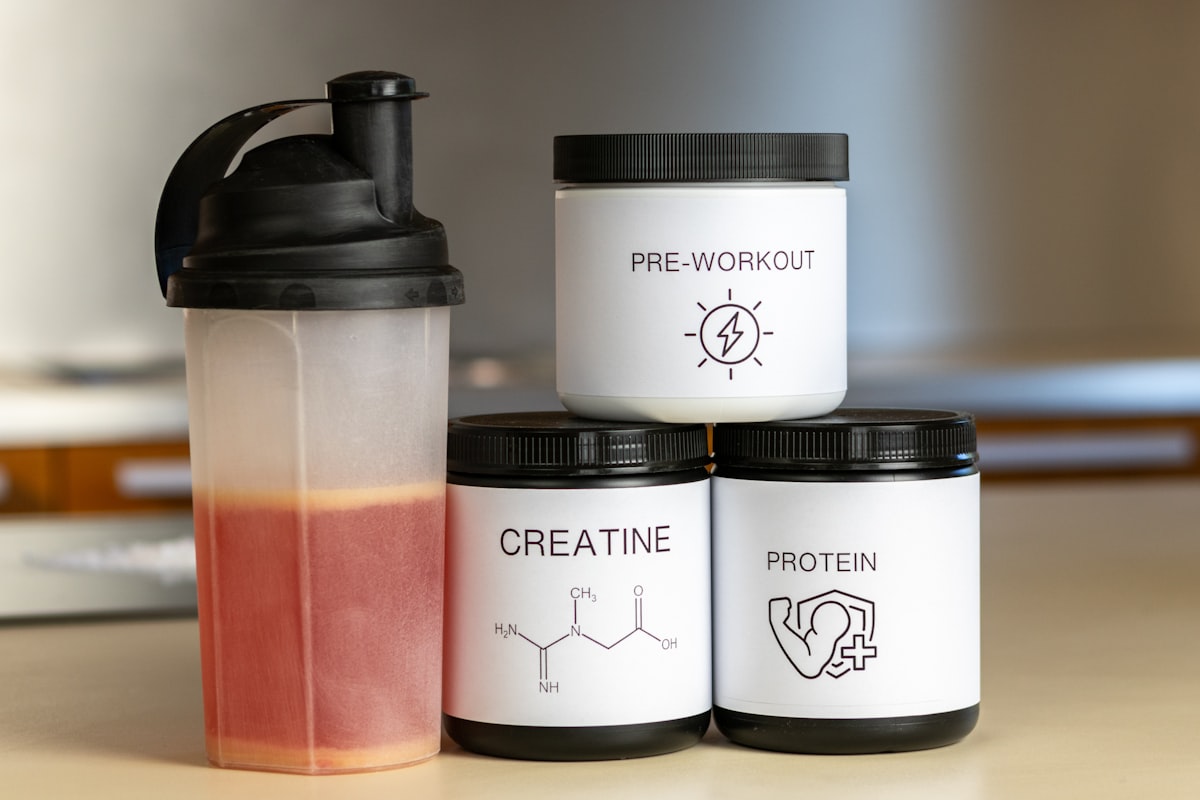
Should I take supplements or whole foods?
Whole foods should form the foundation of athletic nutrition. They provide micronutrients, fiber, and phytonutrients that supplements cannot replicate. Supplements are convenience tools for situations where whole foods are impractical (post-workout shake). Always prioritize real food first.
Success Stories from Elite Athletes
Read how athletes from across South Africa transformed their performance by implementing strategic meal timing protocols from our research.
Marcus Thompson
Strength Coach, Cape Town
"After implementing the pre-workout timing protocols from Fitnessmealexperts, my bench press significantly improved within three months. The science-backed approach eliminated guesswork. My athletes now perform with consistent energy throughout training sessions, and recovery time has noticeably improved. This resource became foundational to my coaching methodology."
Zainab Hassan
Marathon Runner, Johannesburg
"The endurance nutrition timing section was exactly what I needed. Running 42km demands precise fueling, and this guide explained everything clearly. My race performance improved significantly once I synchronized carbohydrate intake with training intensity. I stopped hitting the wall during long runs and finished my last marathon with energy to spare. Essential reading for distance athletes."
David Nkosi
Rugby Player, Durban
"As a rugby forward, I need explosive power across 80 minutes. The meal timing framework transformed my game day preparation and in-match performance. My body composition improved while maintaining strength, and I recovered faster from training. The detailed post-workout protocols accelerated muscle repair between matches. Highly valuable for team sport athletes managing multiple weekly training sessions."
Get the Complete Nutrition Timing Guide
Download our comprehensive resource featuring detailed meal plans, timing protocols, and food recommendations. This guide consolidates research-backed strategies used by elite athletes across South Africa.
Download Nutrition Guide FreeNo registration required. Available in PDF format.
Start Optimizing Your Meal Timing Today
Strategic meal timing is one of the most underutilized performance tools available to athletes. Whether you're training for strength, endurance, or general fitness, synchronizing nutrition with your training schedule creates measurable improvements in performance, recovery, and long-term adaptation.
Explore our complete nutrition guide, review detailed protocols for your specific training modality, and join hundreds of athletes across South Africa who have transformed their results through evidence-based meal timing practices.